Worldwide Automotive Industry Trends: From Manufacturing to Market Dynamics
Read Time:3 Minute, 6 Second
The worldwide automotive sector is in the midst of a major overhaul, propelled by advances in technology, evolving buyer tastes, and changing market forces. As a technical copywriter with ten years of industry experience, I offer professional perspective on the principal trends influencing the full range of the automotive ecosystem, from manufacturing methods to market behavior.
Evolution of Production Technologies
Electrification and Sustainable Manufacturing
A key development in vehicle production is the move toward electrified powertrains. Carmakers around the globe are committing substantial resources to electric vehicle (EV) technologies and greener manufacturing. This encompasses electric propulsion systems, battery fabrication, and environmentally conscious production techniques.
Industry 4.0 and Automation
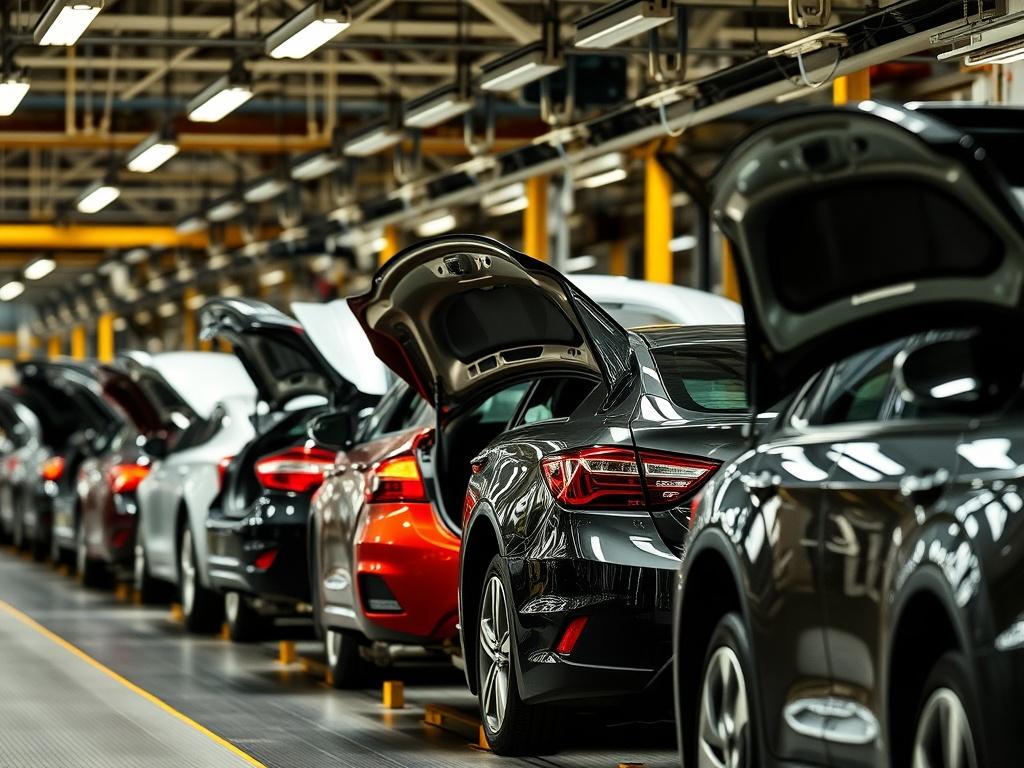
Industry 4.0 concepts and automation are transforming plant operations. Robotics, AI, and the Internet of Things (IoT) are being embedded into assembly lines to boost productivity, lower costs, and raise quality. Smart manufacturing sites support live monitoring and predictive maintenance capabilities.
Sustainable Materials and Lightweighting
Lightweighting Strategies
To enhance fuel economy and cut emissions, manufacturers are prioritizing weight reduction. Engineered materials like carbon fiber, aluminum, and ultra-high-strength steels are applied to create lighter yet rigid vehicles. This approach benefits the environment and improves performance.
Recycling and Circular Economy
Environmental responsibility also covers vehicles’ end-of-life stages. The industry is developing recycling techniques and circular-economy strategies that encourage component and material reuse, minimizing waste and conserving resources.
Connectivity and Autonomous Driving
Connected Vehicles
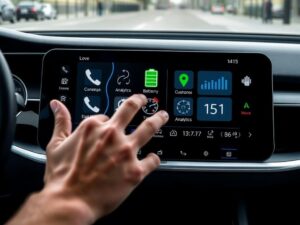
Connectivity is central to contemporary cars. The melding of sophisticated infotainment, continuous data sharing, and over-the-air updates is enriching the user experience and enabling new services such as remote diagnostics and predictive upkeep.
Autonomous Driving
Progress in autonomous technology is gathering pace, with multiple automation tiers being rolled out. Although fully driverless vehicles remain under evaluation, advanced driver-assistance systems (ADAS) are increasingly fitted in production models, improving safety and laying groundwork for self-driving cars.
Shift in Mobility Services
Ride-Sharing and Car Subscription
Consumer habits are reshaping mobility offerings. Services such as Uber and Lyft have grown in popularity, contributing to lower car ownership in cities. Subscription models provide flexibility and access to a variety of vehicles without a long-term purchase commitment.
Electric and Micro-Mobility
Electric scooters, bicycles, and other micro-mobility options are becoming essential parts of urban transport networks. These alternatives complement conventional vehicles and offer greener choices for short-distance travel.
Electric Vehicle Market Growth
Expanding EV Lineups
Manufacturers are broadening their EV portfolios to satisfy rising demand. A growing selection of electric models—from small cars to SUVs and premium offerings—is making EV ownership attainable for more buyers.
Charging Infrastructure Development
Charging networks are being rapidly built out to support EV adoption. Public charging options are expanding, and high-speed chargers are being positioned along primary routes to alleviate range concerns.
Global Supply Chain Challenges
Semiconductor Shortages
The sector has felt the impact of worldwide semiconductor constraints, disrupting production timelines and shrinking vehicle stocks. Firms are responding by diversifying suppliers and boosting chip manufacturing capacity.
Geopolitical Factors
Trade disputes and regional geopolitical tensions can unsettle international supply chains and limit access to vital parts. Automakers are vigilantly tracking these issues to reduce exposure to related risks.
Conclusion
The global automotive sector is being reshaped across every function, from manufacturing techniques to marketing and usage patterns. Technology, sustainability, and shifting consumer expectations are driving the move toward cleaner, better-connected vehicles and novel mobility concepts.
Going forward, cooperation among carmakers, tech firms, and public authorities will be essential to tackle obstacles and seize the opportunities these trends create. By remaining flexible and embracing new technologies, the global automotive industry can lead the transition to a more sustainable, technologically sophisticated future of mobility.


Happy
0 %

Sad
0 %

Excited
0 %

Sleepy
0 %

Angry
0 %

Surprise
0 %
 0
0
 0
0