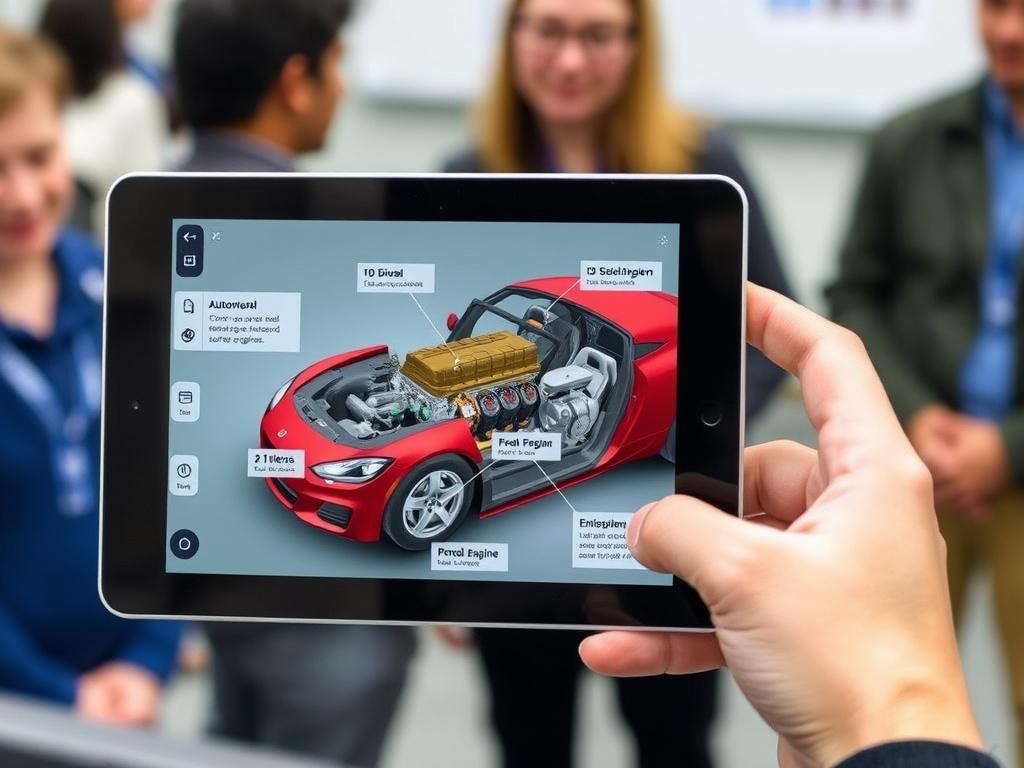
The Next Era of Automotive E-Commerce: VR Showrooms
Read Time:3 Minute, 9 Second
The automotive sector stands ready for a major change in how people shop for cars. Virtual Reality (VR) showrooms are surfacing as a disruptive innovation that could reshape the auto e-commerce landscape. With ten years of experience as a technical copywriter in this area, I will examine the future of online car retail through the perspective of VR showrooms.
A Forward-Thinking Approach to Buying Cars
Moving Beyond Conventional Online Listings
Existing online car marketplaces already simplify research and comparison from home. Yet VR showrooms elevate the digital shopping journey. Instead of scrolling through still photos and text, buyers can enter a virtual space and interact with cars in ways that mimic a physical showroom visit.
The Strength of Immersion
VR showrooms use immersion to deliver a compelling, lifelike car-shopping encounter. Donning a VR headset places users inside a three-dimensional environment modeled on a dealership showroom. They can stroll around vehicles, open doors, examine interiors, and even take simulated test drives—all without leaving home. This hands-on interaction helps buyers appreciate a vehicle’s scale, styling, and features, boosting their confidence in decision-making.
Advantages for Consumers
Realistic Test Drives
A major benefit of VR showrooms is the option to take virtual test drives. Shoppers can feel what it’s like to drive various models from their living room. This is especially useful for those who want to try several cars before choosing. VR test drives offer a safer, more convenient substitute for in-person test drives, particularly during periods of social distancing.
Personalization and Customization
VR showrooms provide extensive personalization and customization options. Users can modify the virtual setting to suit their tastes—changing lighting, backgrounds, and even the vehicle’s color and specifications. This tailored experience helps buyers picture their ideal car exactly as they imagine it, making the process more engaging and emotionally resonant.
Benefits for Dealerships
Expanded Reach
Dealerships can reap considerable rewards from VR showrooms. They can present their full lineup to a worldwide audience without being constrained by physical display space. This wider reach can draw in customers who might not have visited the dealership in person because of distance or other limitations.
Reduced Overhead Costs
Operating physical showrooms entails significant expenses, from rent and utilities to staffing and upkeep. VR showrooms offer a more economical option. Dealers can focus funds on building and maintaining an engaging virtual presence, cutting many of the overhead costs tied to brick-and-mortar facilities.
The Road Ahead: Challenges and Opportunities
Overcoming Technological Barriers
Despite the huge promise of VR showrooms, technical obstacles remain. High-fidelity VR requires robust equipment like headsets and powerful PCs. Ensuring these technologies are affordable and accessible to a wide range of consumers will be essential for mass adoption.
Data-Driven Insights
VR showrooms also enable dealerships to collect meaningful data about customer preferences and actions. Insights from this data can help refine stock selection, marketing efforts, and the overall customer journey. As VR platforms mature, expect increasingly advanced analytics tools to be incorporated into these systems.
Evolving the Car Buying Journey
The arrival of VR showrooms may alter the conventional car-buying process. While buyers can examine vehicles in rich detail from home, final transactions might still require physical paperwork and delivery. Fully integrating purchasing steps into the virtual showroom could become the next innovation frontier.
Conclusion
VR showrooms represent a fundamental shift in auto e-commerce. These virtual spaces provide shoppers with unmatched levels of immersion, personalization, and convenience. For dealers, they offer a way to broaden audience reach while lowering overhead. As technology advances and current hurdles are addressed, the future of online car retail will increasingly revolve around the exciting capabilities of virtual reality showrooms. Prepare for a significant transformation in how cars are shopped for and sold.


Happy
0 %

Sad
0 %

Excited
0 %

Sleepy
0 %

Angry
0 %

Surprise
0 %
 0
0
 0
0