Innovations in Automotive Safety Technologies
Read Time:3 Minute, 24 Second
Protecting drivers, passengers, and pedestrians has long been a primary focus within the automotive sector. Technological progress over time has produced major leaps in vehicle safety. From sophisticated driver assistance systems to the rise of autonomous cars, these developments are changing our approach to automotive safety. In this specialist piece, we examine the newest safety technology breakthroughs that are helping make our roads safer than ever.
Advanced Driver Assistance Systems (ADAS)
Adaptive Cruise Control (ACC)
Adaptive Cruise Control has transformed highway driving safety. Using radar, cameras, and other sensors, the system watches the road ahead and modulates vehicle speed as needed. It keeps a safe gap from the vehicle in front, even during stop-and-go conditions, lowering the chance of rear-end crashes.
Lane Departure Warning (LDW) and Lane Keeping Assist (LKA)
Lane Departure Warning notifies drivers when the vehicle drifts unintentionally out of its lane. Lane Keeping Assist takes action by gently steering the car back into the correct lane when required. Together, these features reduce incidents caused by unintentional lane departures.
Collision Avoidance Systems
Autonomous Emergency Braking (AEB)
Autonomous Emergency Braking aims to avert or lessen collisions by automatically engaging the brakes if the driver fails to respond. Capable of detecting pedestrians, cyclists, and other vehicles, it markedly decreases accident severity.
Forward Collision Warning (FCW)
Forward Collision Warning employs sensors to observe the lane ahead and warn the driver of potential impacts. These alerts buy crucial seconds for the driver to react and avoid a crash.
Vehicle-to-Everything (V2X) Communication
V2V Communication
Vehicle-to-Vehicle communication lets cars share information about speed, location, and heading. This instant exchange helps vehicles forecast possible collisions, even when one vehicle is out of another’s direct view.
V2I Communication
Vehicle-to-Infrastructure connectivity links cars with signals, signs, and road infrastructure. It can supply drivers with updates on traffic flow, upcoming hazards, and recommended speeds, improving safety overall.
Pedestrian Detection and Protection
Pedestrian Detection Systems
Pedestrian Detection systems rely on cameras and sensors to spot people on or near the vehicle’s path. If a collision is imminent, the system can issue warnings and, in some cases, activate automatic braking to shield pedestrians.
Exterior Airbags
New designs for exterior airbags are being tested to boost pedestrian protection. These airbags deploy from outside the vehicle to absorb impact during a collision with a pedestrian, helping to lower the likelihood of serious injury.
Autonomous Vehicles and Self-Driving Safety
Level 4 and 5 Autonomy
Level 4 and 5 autonomous cars could dramatically cut accidents caused by human mistakes. Level 4 can drive without human input in defined situations, while Level 5 operates under all conditions, using advanced sensors and AI to navigate safely.
Redundant Systems
Self-driving vehicles include redundant components—multiple sensors and backup control systems—to maintain safety if a part fails. These redundancies enhance the reliability of autonomous cars.
Cybersecurity in Automotive Safety
Protecting Connected Vehicles
With cars becoming increasingly connected, cybersecurity is essential to block unauthorized intrusions and threats. Automakers are allocating resources to strong cybersecurity solutions to protect vehicle systems and user data.
Over-the-Air (OTA) Updates
Over-the-air updates enable manufacturers to remotely patch vulnerabilities and improve vehicle safety and functionality. This capability keeps vehicles secure and equipped with the newest safety enhancements.
Challenges and Considerations
Human-Machine Interface (HMI)
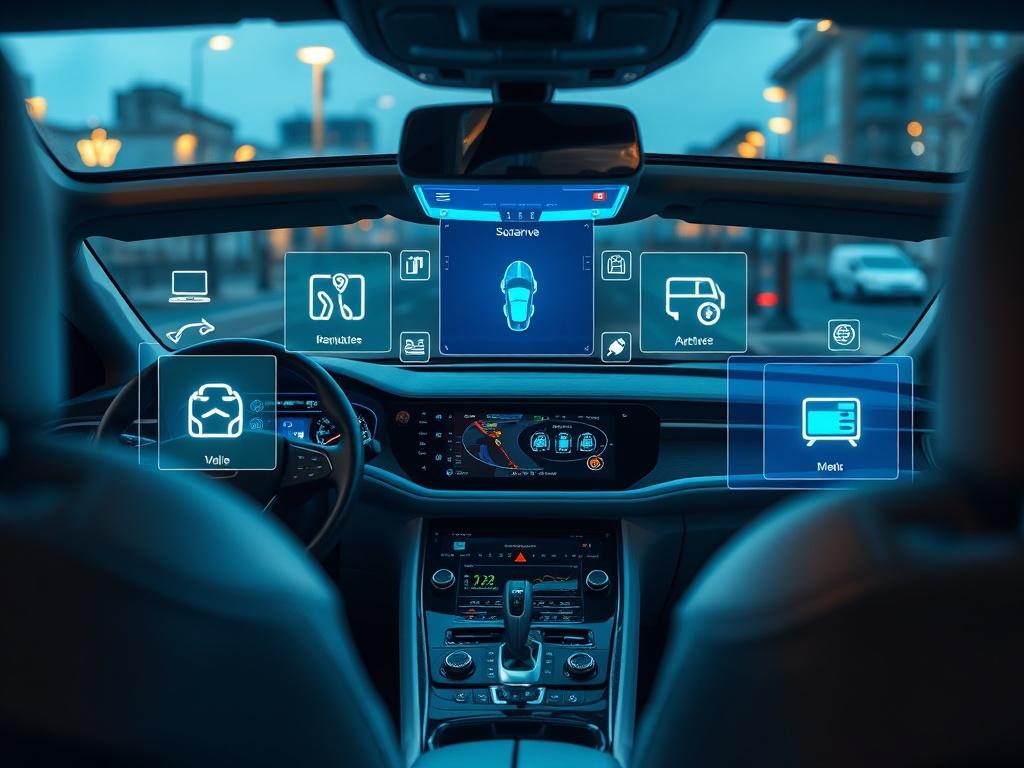
As cars become richer in technology, creating clear and user-friendly human-machine interfaces is a major challenge. Drivers need to comprehend, trust, and operate these systems correctly.
Ethical and Legal Questions
The rise of autonomous vehicles brings complex ethical and legal dilemmas, especially around fault when accidents occur. Assigning responsibility in incidents involving self-driving cars remains a difficult task.
Conclusion
Recent advances in automotive safety tech are transforming our approach to road safety. From enhanced driver assistance to autonomous driving, these innovations are reducing crashes and saving lives. As technology progresses, manufacturers will continue striving to improve road safety for all. Ongoing R&D promises further impressive advancements in the years ahead, moving us toward a future with fewer accidents and safer roads.


Happy
0 %

Sad
0 %

Excited
0 %

Sleepy
0 %

Angry
0 %

Surprise
0 %
 0
0
 0
0