Recent Advances in Electric Vehicle (EV) Infrastructure
Read Time:2 Minute, 34 Second
The shift to electric vehicles (EVs) is accelerating, and building out EV infrastructure is crucial to that transition. In the last ten years, charging hardware and grid-related systems have seen significant progress. Drawing on a decade of experience as a technical copywriter in this area, I offer informed perspectives on the infrastructure advancements that are driving sustainable transport forward.
Expanding Charging Networks
Rapid Charging Stations
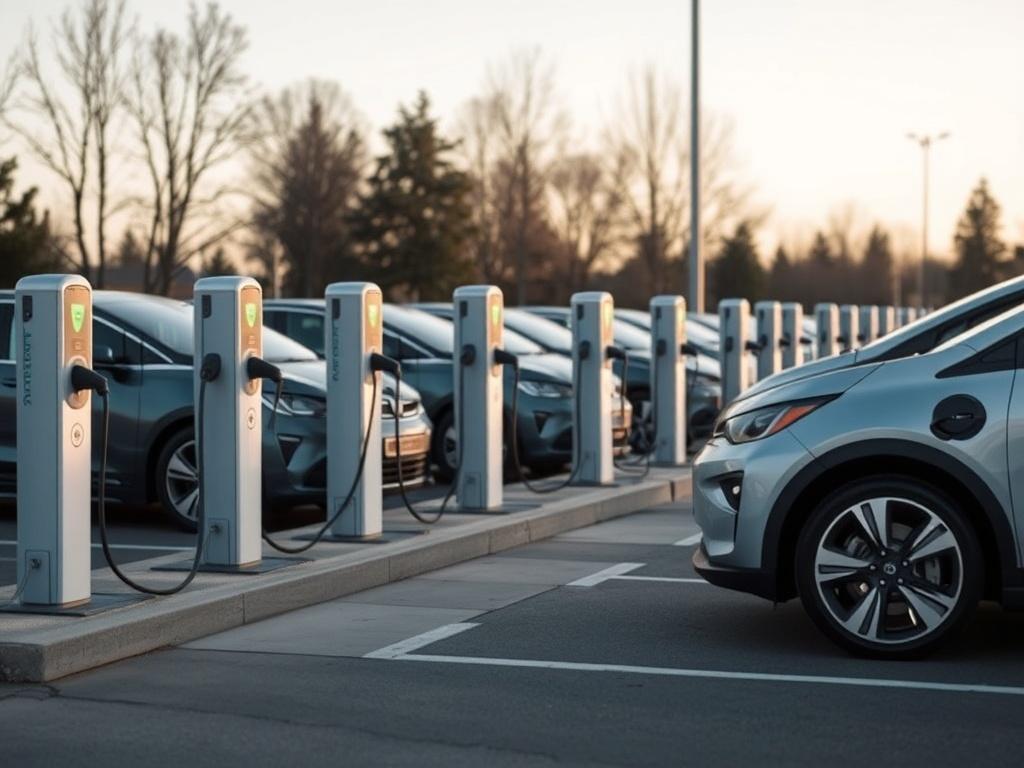
A major trend in EV infrastructure is the rapid growth of fast-charging points. These installations can replenish a large portion of a battery in a short period, making long trips by EV more practical. High-capacity chargers, including units operating at around 350 kW, are increasingly widespread and cut charging durations considerably.
Ultra-Fast Charging
Researchers and companies are developing ultra-fast chargers capable of delivering 1 MW or higher. Such systems could transform charging by offering speeds comparable to filling a petrol tank. This breakthrough would tackle one of the main reservations potential buyers have about EVs—how long charging takes.
Integration with Renewable Energy
Solar-Powered Charging
Pairing renewable sources, especially solar, with EV charging infrastructure is becoming more common. Charging sites powered by photovoltaics generate electricity from sunlight, shrinking their carbon footprint and supporting cleaner charging options.
Vehicle-to-Grid (V2G) Technology
V2G systems let vehicles both draw from and supply electricity to the grid. This two-way energy exchange can help balance supply, lower energy costs, and boost the overall efficiency of power systems.
Wireless Charging
Inductive Charging
Inductive or wireless charging is gaining traction. With this approach, vehicles recharge without cables by transferring energy via electromagnetic fields between a ground pad and an onboard receiver. It adds convenience and removes the need for physical connectors.
Dynamic Wireless Charging
There is active development on dynamic wireless systems embedded in roads. These allow cars to recharge while driving, increasing range and reducing reliance on large batteries. Dynamic charging could change how public transit and freight operate.
Smart Charging and Grid Integration
Demand Response Programs
Smart charging is being tied into demand response schemes that align EV charging with grid needs and price signals. Drivers can plan charging during off-peak times when electricity is cheaper and more often sourced from renewables.
Grid-Friendly Charging
Grid-friendly charging methods aim to ease pressure on power systems by varying charge rates and times. These practices help avert overloads at peak periods and support a more resilient grid.
Interoperability and Standardization
Charging Standards
To encourage broad EV uptake and ensure seamless use, global charging standards are being promoted. Protocols such as CCS (Combined Charging System) and CHAdeMO are increasingly adopted, simplifying access to chargers for EV owners worldwide.
Roaming Agreements
Charging networks are forging roaming partnerships more often. These arrangements let drivers use stations across different providers with a single account or payment method, boosting user convenience.
Conclusion
Recent strides in EV infrastructure highlight strong momentum in electrifying transport. From fast chargers and renewable integration to wireless systems, the supporting infrastructure for EVs is evolving quickly. These innovations increase EV accessibility and convenience while advancing transportation sustainability.


Happy
0 %

Sad
0 %

Excited
0 %

Sleepy
0 %

Angry
0 %

Surprise
0 %
 0
0
 0
0