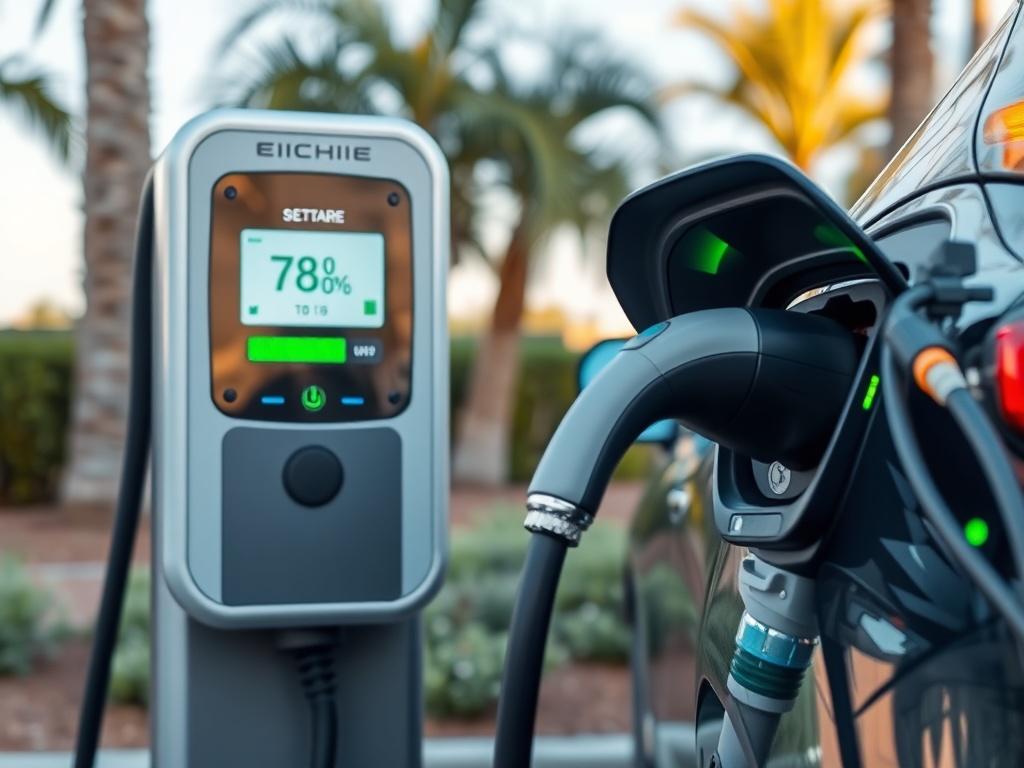
Eco-Consciousness in Automotive E-Commerce: Green Vehicles and Parts
Read Time:3 Minute, 17 Second
As the planet faces pressing demands for conservation and sustainable practices, the automotive sector has moved forward with notable eco-conscious initiatives. Within auto e-commerce, sustainability has evolved from a passing trend into a key factor shaping buyers’ decisions when selecting vehicles and components. With ten years of experience as a technical copywriter in this niche, I will examine the vital importance of sustainability in auto e-commerce, concentrating on green vehicles and parts.
The Rise of Eco-Friendly Vehicles
Electric Vehicles (EVs)
Electric vehicles have become one of the clearest representations of sustainability in motoring. Powered by electricity rather than fossil fuels, EVs emit no pollutants from the tailpipe. The move toward EVs is fueled by increasing recognition of the environmental harm caused by gasoline- and diesel-powered cars.
Hybrid Vehicles
Hybrid models pair conventional internal combustion engines with electric propulsion, cutting fuel usage and lowering emissions. They serve as a transitional choice between traditional cars and fully electric ones, giving buyers a greener alternative.
Benefits of Eco-Friendly Vehicles
Reduced Greenhouse Gas Emissions
A major benefit of eco-friendly vehicles is their role in cutting greenhouse gas output. EVs have zero tailpipe emissions, and hybrids release far fewer pollutants than standard models. Lowering these emissions is essential to tackling climate change.
Lower Operating Costs
Green vehicles frequently cost less to run. Electric cars contain fewer mechanical parts, which can reduce maintenance bills, and electricity typically costs less than petrol or diesel. Moreover, many governments provide incentives like tax breaks and rebates to promote eco-friendly vehicle adoption, helping consumers save further.
Energy Efficiency
Eco-friendly vehicles offer superior energy efficiency. Electric drivetrains are inherently more efficient than internal combustion engines, which lose much energy as heat. This greater efficiency means more distance covered per unit of energy, conserving resources and lowering carbon impact.
Sustainable Auto Parts
Recycled and Recyclable Materials
Efforts toward sustainability reach beyond the vehicles to the parts and components used across the industry. Producers are increasingly incorporating recycled and recyclable materials into auto part manufacturing. This strategy cuts demand for virgin resources and reduces waste.
Remanufactured Parts
Remanufactured parts present another environmentally friendly choice. These components are disassembled, cleaned, repaired, and rebuilt to near-original condition. Choosing remanufactured parts lowers the need for fresh production and preserves resources while meeting quality standards.
Benefits of Sustainable Auto Parts
Conservation of Resources
Sustainable parts aid in conserving resources. By reusing materials and components, pressure on natural reserves like metals and plastics is reduced. This conservation diminishes the environmental toll of manufacturing and disposal.
Cost-Effective Repairs
Remanufactured parts often cost less than brand-new alternatives. They offer a budget-friendly option for owners seeking repairs or maintenance while also supporting the automotive industry’s sustainability goals.
Reduced Waste
Utilizing sustainable auto parts helps cut waste within the automotive field. Recycling and remanufacturing divert used components from landfills and lessen the environmental burden tied to disposing of automotive parts.
The Road Ahead: Challenges and Opportunities
Infrastructure Development
Wider uptake of eco-friendly vehicles, particularly EVs, depends on robust charging infrastructure. Both public authorities and private firms are investing in the expansion of charging networks to make electric ownership more practical and accessible.
Continued Innovation
The automotive sector keeps innovating in sustainability. This progress includes better battery technology, lighter materials, and more efficient production techniques, all aimed at reducing the environmental footprint of vehicles and parts.
Consumer Education
Informing consumers about the advantages of eco-friendly vehicles and sustainable parts is essential. Raising awareness about how choices affect the environment can encourage more sustainable buying behavior.
Conclusion
Sustainability has moved from a peripheral concern to a central pillar in auto e-commerce. Eco-friendly vehicles and sustainable parts let consumers choose options that reflect their values and help build a greener future. As the automotive industry advances, sustainability will continue to drive innovation, delivering environmental benefits, cost savings, and a healthier legacy for future generations.


Happy
0 %

Sad
0 %

Excited
0 %

Sleepy
0 %

Angry
0 %

Surprise
0 %
 0
0
 0
0