Intelligent Car Interfaces: The Convergence of AI and Voice Recognition
Read Time:3 Minute, 5 Second
As smart technology and artificial intelligence (AI) advance, the automotive world is experiencing a dramatic shift. A key development in this change is the adoption of AI and voice-recognition systems within smart vehicle interfaces. In this expert piece, we examine the latest progress in smart car interfaces, how AI and speech recognition are transforming the driving experience, and the advantages they bring for safety, convenience, and connectivity.
The Evolution of In-Car Interfaces
From Traditional Dashboards to Smart Interfaces
The era of basic dashboard readouts and physical knobs is fading. Modern cars now feature advanced infotainment platforms and intelligent interfaces that link effortlessly with smartphones and cloud platforms. These systems serve as the main control centers for navigation, media, communication, and other functions.
The Role of AI
AI has been central to the reinvention of in-car interfaces. Using machine learning and natural language processing (NLP), AI delivers a richer user experience through tailored suggestions, predictive routing, and smarter voice-driven commands.
The Power of Voice Recognition
Natural Language Understanding
Speech-recognition systems have progressed significantly in interpreting natural language. Contemporary solutions can parse and understand spoken phrases, even when they are complex, allowing drivers to speak to their cars in a more natural way.
Hands-Free Control
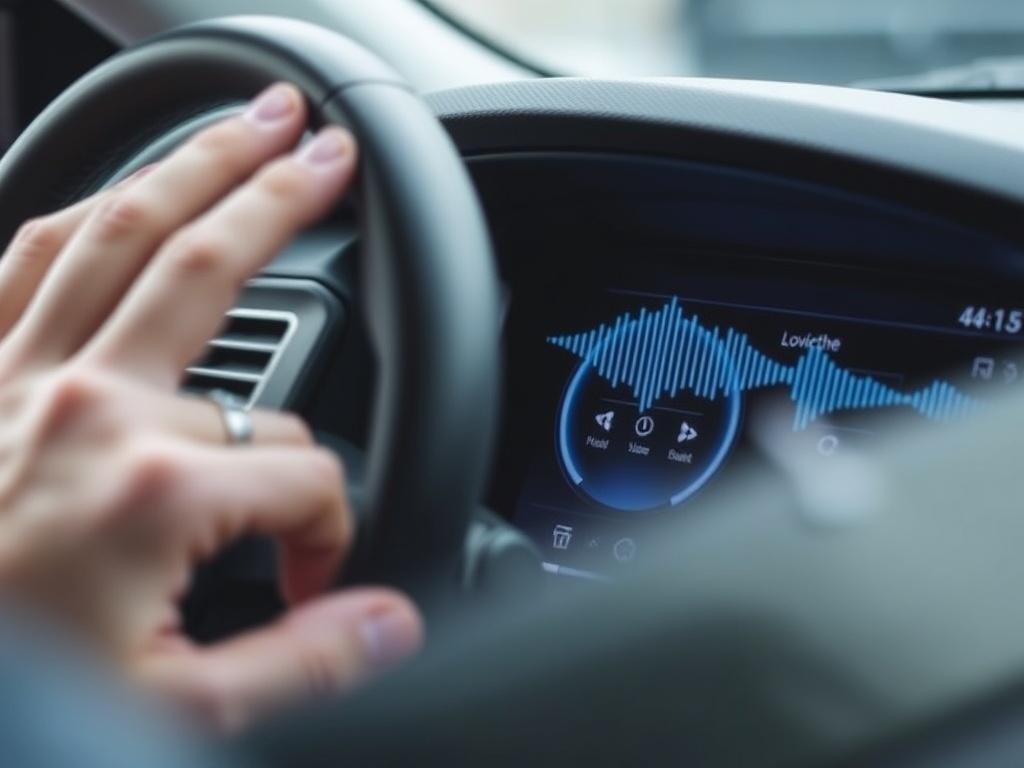
A major benefit of voice recognition is hands-free operation. Drivers can handle many tasks without removing their hands from the wheel, including placing calls, dictating messages, entering navigation destinations, and tweaking vehicle settings.
AI-Powered Virtual Assistants
Personalized Assistance
AI-based virtual assistants like Apple’s Siri, Amazon’s Alexa, and Google Assistant are now core elements of smart car systems. These assistants offer personalized help, giving suggestions based on user tastes and historical behavior.
Context Awareness
Virtual assistants driven by AI are growing more context-sensitive. They can predict user needs by factoring in location, time, and road conditions. For instance, they may recommend nearby dining options at mealtime or provide traffic alerts during commutes.
Enhancing Safety
Hands-on-the-Wheel Focus
Voice recognition helps promote safer driving by lowering distractions. Drivers can remain focused on the road while interacting with vehicle systems, cutting down the chance of accidents from manual device use.
Advanced Driver Assistance
Voice-enabled AI can work alongside advanced driver assistance systems (ADAS) to deliver immediate alerts and information. For example, it might notify drivers of hazards, propose safer routes, or tweak vehicle settings to enhance safety.
Connectivity and Integration
Seamless Integration
AI and voice recognition make it easier to connect with smartphones and smart-home devices. While driving, users can manage home systems, check appointments, and interact with their broader digital environments.
Cloud Connectivity
Smart car interfaces increasingly tap cloud services and updates. AI uses cloud links to supply current information like live traffic, weather reports, and over-the-air (OTA) software updates.
Challenges and Considerations
Privacy and Security
As vehicles incorporate more AI and voice features, data privacy and cybersecurity concerns grow. Automakers must implement strong protections to safeguard users’ sensitive information.
User Adoption and Adaptation
Although AI-driven interfaces can greatly improve driving, user uptake and comfort are crucial. Manufacturers should design these systems to be intuitive and easy to use.
Conclusion
Embedding AI and voice recognition into smart vehicle interfaces marks a major advance for the auto sector. These technologies provide drivers with unmatched convenience, safety, and connectivity on the road. As AI progresses, smart car systems will grow more capable, delivering personalized, context-aware, and hands-free experiences.
Still, this power carries responsibility. Automakers must vigilantly address privacy and security issues and build interfaces that improve, not hinder, driving. As AI and voice recognition advance, they will play an ever more central role in the future of intelligent transportation.


Happy
0 %

Sad
0 %

Excited
0 %

Sleepy
0 %

Angry
0 %

Surprise
0 %
 0
0
 0
0